

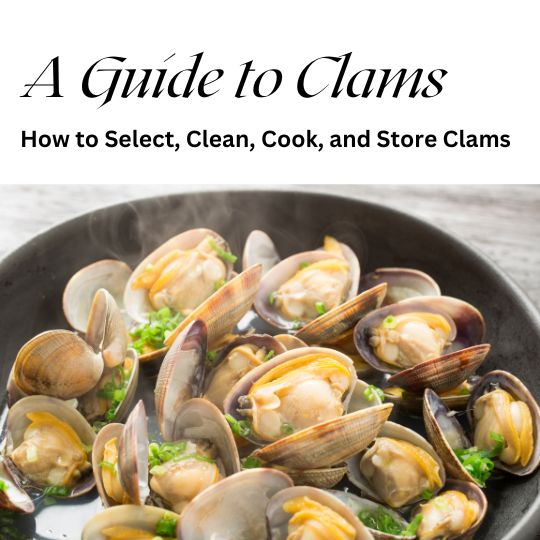
How to Select, Clean, Cook and Store Clams
Clams are a popular seafood choice for many home kitchens because they are naturally sweet, easy to cook, and perfect for quick family meals. Whether you are preparing stir-fried clams, clam soup, pasta, or a simple steamed seafood dish, knowing how to choose and handle clams properly can make a big difference in taste and freshness.
In this guide, we will walk you through how to select fresh clams, clean them properly, cook them safely, and store them the right way after delivery.
Quick tip: Fresh clams should smell clean and briny, like the sea. They should not have a strong fishy, sour, or unpleasant smell.
1. How to Select Fresh Clams
When choosing clams, always look for freshness first. The shells should look moist, clean, and mostly closed. A slightly open shell is not always a problem, but it should close when gently tapped.
Signs of good clams
- The shells are closed or close when tapped.
- The clams smell fresh, clean, and slightly salty.
- The shells are not cracked, broken, or badly damaged.
- The clams feel heavy for their size.
Signs to avoid
- Broken or cracked shells.
- Clams that remain open even after tapping.
- Strong sour, rotten, or ammonia-like smell.
- Clams that feel unusually light or dry.
Since clams are fresh seafood, natural size and colour differences are normal. The most important signs to check are smell, shell condition, and freshness.
2. How to Clean Clams Before Cooking
Clams live in sand or muddy seabeds, so they may contain some sand inside. Cleaning them properly helps prevent a gritty texture when eating.
Step-by-step cleaning method
- Rinse the clams under running water.
- Use your hands or a small brush to remove dirt from the shells.
- Place the clams in a bowl of clean salted water.
- Let them soak for around 20 to 40 minutes to release sand.
- Drain and rinse again before cooking.
Important: Do not soak clams for too long in plain tap water. Fresh clams should be handled gently and cooked as soon as possible for best quality.
3. Easy Ways to Cook Clams
Clams cook very quickly. Overcooking can make them tough and chewy, so it is best to cook them just until the shells open.
Simple cooking ideas
- Steamed clams: Steam with ginger, garlic, or spring onion for a clean and light flavour.
- Stir-fried clams: Cook with garlic, chilli, black bean sauce, or sambal for a stronger taste.
- Clam soup: Add clams near the end of cooking to keep the meat tender.
- Clam pasta: Cook with olive oil, garlic, white wine, or broth for a simple seafood meal.
Once the shells open, the clams are usually ready. Discard any clams that remain closed after cooking.
4. How to Store Clams After Delivery
For best freshness, clams should be cooked on the same day they are received. If you are not cooking immediately, store them properly in the refrigerator.
Storage tips
- Keep clams chilled in the refrigerator.
- Do not seal live clams tightly in an airtight container.
- Place them in a bowl and cover loosely with a damp cloth.
- Do not leave them at room temperature for long periods.
- Cook as soon as possible for best taste and texture.
Avoid storing cooked clams together with raw seafood. Cooked clams should be cooled, covered, and refrigerated if not consumed immediately.
5. Common Mistakes to Avoid
- Cooking clams without rinsing or soaking them first.
- Overcooking clams until the meat becomes rubbery.
- Using clams with broken shells or unpleasant smell.
- Leaving fresh seafood outside at room temperature.
- Keeping clams for too long before cooking.
Final Thoughts
Clams are easy to prepare once you understand how to select, clean, cook, and store them properly. Choose clams that smell fresh, clean them well, cook them just until they open, and enjoy them as soon as possible for the best seafood experience.
With a few simple steps, you can prepare delicious clam dishes at home with confidence.

